
Toronto House Renovation Guide 2026: Full Home, Kitchen, Bathroom, Basement & Exterior
A Toronto house renovation is more than replacing finishes. In 2026, homeowners need to think about permits, structure, old plumbing, electrical capacity, insulation, basement moisture, material durability, neighbourhood character and choosing the right house renovation contractor Toronto homeowners can trust.

Table of Contents
- 1. Why Toronto house renovation needs a serious plan in 2026
- 2. Detached, semi-detached, townhouse and older-home renovation differences
- 3. Toronto permits, Ontario Building Code and inspection basics
- 4. Full house renovation: structure, layout, systems and phasing
- 5. Kitchen renovation Toronto: layouts, cabinets, counters and appliances
- 6. Bathroom renovation Toronto: waterproofing, plumbing and finishes
- 7. Basement renovation and secondary suite planning
- 8. Additions, laneway suites and major layout changes
- 9. Exterior renovation: windows, doors, siding, decks and curb appeal
- 10. Toronto neighbourhood differences: old houses, narrow lots, ravines and suburbs
- 11. House renovation materials: what to choose and where to spend
- 12. Energy efficiency, comfort and long-term maintenance
- 13. How to choose a house renovation contractor Toronto homeowners can trust
- 14. 14 step house renovation checklist
- FAQ
1) Why Toronto house renovation needs a serious plan in 2026
Toronto homes are diverse. A brick semi in the Annex, a narrow East York bungalow, a Scarborough backsplit, a North York detached house, an Etobicoke side-split and a downtown Victorian row house can all need completely different renovation strategies.
In 2026, homeowners are renovating for several reasons:
- More functional kitchens.
- Aging bathrooms.
- Basement income potential.
- Multi-generational living.
- Work-from-home space.
- Energy efficiency.
- Better storage.
- Resale value.
- Exterior curb appeal.
- Repairing older systems before they fail.
But the best house renovation projects start with one question:
Are you renovating for appearance only, or are you also improving the structure, systems and long-term performance of the home?
A cosmetic renovation can refresh paint, flooring, lighting and cabinets. A deeper renovation may include:
- Electrical panel upgrade.
- Knob-and-tube or aluminum wiring replacement.
- Plumbing replacement.
- Drain repair.
- Waterproofing.
- Insulation.
- HVAC upgrades.
- Window and door replacement.
- Structural wall changes.
- Foundation repair.
- New stairs.
- Basement underpinning.
- Addition or second-storey work.
Before searching “house renovation contractor Toronto,” write down the actual problems you want to solve. A good renovation is not just a collection of beautiful finishes. It is a plan for how the home should work for the next 10–20 years.
For official permit guidance, start with the City of Toronto building permit information: City of Toronto - Building Permits.

2) Detached, semi-detached, townhouse and older-home renovation differences
Not all houses renovate the same way. Your home type affects layout options, structure, sound transfer, permits, access and cost.
Detached house renovation
Detached homes usually offer the most flexibility. You may have more options for:
- Rear additions.
- Side additions where zoning allows.
- Basement walkouts.
- Main-floor reconfiguration.
- Larger kitchens.
- Ensuite bathrooms.
- Exterior upgrades.
- Landscaping and decks.
Challenges may include:
- Older foundations.
- Large roof areas.
- Multiple exterior walls losing heat.
- Long plumbing runs.
- Higher total square footage to renovate.
Semi-detached house renovation
Semi-detached homes are common in Toronto neighbourhoods like the Annex, Leslieville, Riverdale, High Park, East York and Midtown.
Key considerations:
- Shared party wall.
- Noise transfer.
- Narrower layouts.
- Limited side access.
- More careful demolition planning.
- Neighbour coordination for exterior work.
- Structural review before removing walls.
A semi-detached renovation often benefits from smart built-ins, open-but-not-empty layouts, and careful kitchen planning.
Townhouse renovation
Townhouses may involve condo corporations, freehold road associations or shared exterior elements.
Important questions:
- Are exterior changes allowed?
- Who controls windows and doors?
- Are there common walls?
- Is there a condo board approval process?
- Where can materials and bins be placed?
- Are there restrictions on working hours?
Townhouse renovations often focus on kitchens, bathrooms, stairs, flooring and basement living areas.
Older Toronto home renovation
Older homes can be beautiful, but they require respect.
Common issues:
- Uneven floors.
- Plaster walls.
- Old wiring.
- Old plumbing.
- Low basement height.
- Moisture.
- Settlement.
- Narrow stairs.
- Small kitchens.
- Limited closet space.
- Poor insulation.
Do not treat an older home like a new subdivision house. It may need exploratory openings, structural review and careful sequencing before design decisions are finalized.
3) Toronto permits, Ontario Building Code and inspection basics
Many Toronto homeowners are unsure whether they need a permit. The answer depends on the scope.
Projects that may require permits include:
- Structural wall removal.
- Additions.
- Basement underpinning.
- Basement apartment or secondary suite work.
- New or enlarged windows or doors.
- New exterior openings.
- Decks above certain heights or attached to the house.
- Major plumbing changes.
- HVAC changes.
- Fire separations.
- New stairs.
- Change of use.
- Major renovation affecting life safety or structure.
Cosmetic work such as painting, replacing flooring, changing cabinets without plumbing or electrical changes, or minor finish updates may not need a building permit, but always confirm before starting.
Key official resources:
- City of Toronto - Building Permits
- City of Toronto - Building Permit Application Guides
- 2024 Ontario Building Code
- Ontario - Your Rights When Starting Home Renovations or Repairs
A professional house renovation contractor Toronto homeowners trust should be clear about what requires permit drawings, what requires engineering and what can be handled as a non-permit cosmetic scope.
4) Full house renovation: structure, layout, systems and phasing
A full house renovation can transform an old Toronto property into a modern, comfortable and efficient home. It can also become expensive and stressful if the sequence is wrong.
The right order is usually:
- Existing condition review.
- Design and layout.
- Permit and engineering review where needed.
- Hazard and demolition planning.
- Structural changes.
- Plumbing, electrical and HVAC rough-ins.
- Insulation and air sealing.
- Drywall and interior finishes.
- Cabinets and millwork.
- Flooring.
- Fixtures and appliances.
- Final paint and deficiency work.
Start with systems, not surfaces
Homeowners often start with Pinterest kitchens and bathroom tiles. Those choices matter, but the hidden systems matter more:
- Is the electrical panel large enough?
- Is the wiring safe?
- Are old pipes near failure?
- Is the basement dry?
- Is the HVAC sized correctly?
- Are exterior walls insulated?
- Are windows causing drafts?
- Are floors level enough for new flooring?
- Are there structural issues?
Phased renovation vs. one-time renovation
A full gut renovation is not always necessary. Some homeowners phase the work:
- Phase 1: Structural and mechanical systems.
- Phase 2: Kitchen and main floor.
- Phase 3: Bathrooms.
- Phase 4: Basement.
- Phase 5: Exterior.
Phasing can help budget control, but only if the full design direction is known early. Otherwise, you may redo work later.
Living in the house during renovation
Living through a major renovation is difficult. If you must stay:
- Keep one working bathroom.
- Create a temporary kitchen.
- Seal construction zones.
- Confirm dust control.
- Protect children and pets.
- Plan daily cleanup.
- Understand when water or power will be off.
For major full house renovation, temporary relocation may be safer and faster.
5) Kitchen renovation Toronto: layouts, cabinets, counters and appliances
The kitchen is often the heart of a Toronto house renovation. It is also one of the most complex rooms because it combines plumbing, electrical, ventilation, storage, lighting, appliances and daily family habits.
Common Toronto kitchen layouts
Galley kitchen
Common in older semis and narrow homes.
Best for:
- Long narrow spaces.
- Efficient cooking.
- Smaller families.
- Budget-conscious renovation.
Design tips:
- Use tall cabinets.
- Keep counters clear.
- Add under-cabinet lighting.
- Use panel-ready or counter-depth appliances where budget allows.
- Avoid overloading both sides with full-depth cabinets.
L-shaped kitchen
Good for open main floors and small additions.
Best for:
- Family homes.
- Open dining connection.
- Island or peninsula options.
Design tips:
- Keep work triangle efficient.
- Use corner storage wisely.
- Add pantry cabinets.
- Plan island clearance carefully.
U-shaped kitchen
Good for larger houses.
Best for:
- Serious cooking.
- More counter space.
- Defined kitchen zone.
Design tips:
- Avoid tight corners.
- Use drawers instead of deep lower cabinets.
- Keep appliance doors from colliding.
Kitchen with island
Popular in full house renovation and additions.
Best for:
- Entertaining.
- Family meals.
- Storage.
- Prep space.
Design tips:
- Maintain comfortable walking space.
- Add outlets where code requires.
- Decide between seating, storage or sink function.
- Avoid oversized islands that block flow.
Cabinet materials
MDF painted cabinets
Pros:
- Smooth painted finish.
- Good for modern and transitional kitchens.
- Many colour options.
Watch-outs:
- Can chip if abused.
- Moisture protection matters.
Plywood cabinet boxes
Pros:
- Stronger and more moisture-resistant than basic particle board.
- Good for long-term kitchens.
Watch-outs:
- Higher cost.
Laminate or thermofoil
Pros:
- Budget-friendly.
- Easy to clean.
- Modern flat-panel look.
Watch-outs:
- Heat and edge quality matter.
Wood veneer or solid wood doors
Pros:
- Warm, premium look.
- Great for high-end Toronto homes.
Watch-outs:
- More expensive.
- Natural variation.
Countertop options
Quartz
Best all-around option for many Toronto kitchens.
Pros:
- Durable.
- Low maintenance.
- Many colours.
Watch-outs:
- Heat protection still needed.
- Seams depend on slab size.
Porcelain slab
Best for high-end modern kitchens.
Pros:
- Heat-resistant.
- Thin, elegant look.
- Can create matching backsplash.
Watch-outs:
- Expensive fabrication.
- Requires skilled installers.
Granite
Pros:
- Natural stone beauty.
- Durable.
Watch-outs:
- Needs sealing.
- Pattern variation.
Butcher block
Pros:
- Warm and natural.
- Good for small feature zones.
Watch-outs:
- Requires maintenance.
- Not ideal around sinks without care.
Backsplash and lighting
A kitchen renovation Toronto project should include:
- Under-cabinet LED lighting.
- Task lighting over counters.
- Pendant lights over island.
- Easy-clean backsplash.
- Proper range hood ventilation.
- Dedicated appliance circuits.
- Pantry storage.
Do not finalize cabinets before confirming appliance specifications. Appliance sizes control cabinet dimensions, clearances, panels and electrical/plumbing rough-ins.

6) Bathroom renovation Toronto: waterproofing, plumbing and finishes
Bathrooms are small but technically demanding. A beautiful bathroom can fail if waterproofing, ventilation or plumbing is poor.
Common bathroom renovation Toronto projects:
- Powder room update.
- Main bathroom renovation.
- Ensuite bathroom renovation.
- Basement bathroom addition.
- Shower conversion.
- Tub-to-shower conversion.
- Aging-in-place bathroom.
- Luxury spa bathroom.
The layers behind the tile
A proper bathroom renovation should address:
- Subfloor condition.
- Wall framing.
- Waterproofing membrane.
- Shower slope.
- Drain location.
- Ventilation.
- Electrical safety.
- Lighting.
- Heated floor where desired.
- Access panels where needed.
- Proper caulking and grout.
Shower options
Acrylic or fiberglass shower base
Pros:
- Cost-effective.
- Faster installation.
- Fewer grout lines.
Watch-outs:
- Limited sizes and look.
Tiled shower base
Pros:
- Custom size.
- Premium appearance.
Watch-outs:
- Requires excellent waterproofing and slope.
- More labour.
Curbless shower
Pros:
- Modern and accessible.
- Great for aging-in-place.
Watch-outs:
- Needs careful floor slope and waterproofing.
- May be easier in new construction or major renovation.
Bathroom materials
Porcelain tile
Best for floors, shower walls and wet areas.
Ceramic tile
Good for walls and budget-friendly applications.
Quartz vanity top
Durable and low maintenance.
Solid surface
Good for seamless shower walls or healthcare-style easy cleaning.
Moisture-resistant paint
Use in dry zones with proper bathroom ventilation.
Ventilation matters
Many older Toronto bathrooms have weak fans or no proper ventilation. Poor ventilation causes peeling paint, mould, odours and premature material failure. A bathroom renovation should always review exhaust fan quality and ducting path.

7) Basement renovation and secondary suite planning
Basement renovation is popular in Toronto because it can add living space, rental potential, guest space, storage, a home gym or a media room.
But basements require careful planning because they are below grade.
Before finishing a basement, check:
- Moisture and water entry.
- Foundation cracks.
- Drainage.
- Sump pump needs.
- Ceiling height.
- Egress windows.
- Insulation.
- Heating and cooling.
- Electrical capacity.
- Plumbing rough-ins.
- Fire separation.
- Sound transfer.
- Laundry location.
- Storage.
Basement family space
For a family basement, focus on:
- Warm flooring.
- Layered lighting.
- Built-in storage.
- Moisture-resistant materials.
- Comfortable ceiling treatment.
- Good stair lighting.
- Bathroom access.
Basement apartment or secondary suite
If the goal is rental income or multi-generational living, the project becomes more technical.
Consider:
- Legal ceiling height.
- Fire separation.
- Smoke and carbon monoxide alarms.
- Egress.
- Kitchen ventilation.
- Separate laundry.
- Sound control.
- Parking and zoning.
- Separate entrance.
- Electrical and plumbing capacity.
For secondary suite policy and financing context, review federal information about making it easier for homeowners to build secondary suites: Government of Canada - Secondary Suites.
A basement kitchen renovation or legal suite should not be treated as a simple cabinet installation. It connects to building code, fire safety, plumbing, electrical, ventilation and long-term property value.
8) Additions, laneway suites and major layout changes
Toronto additions and major layout changes can unlock a house, but they require strong planning.
Common major projects include:
- Rear addition.
- Second-storey addition.
- Main-floor open-concept conversion.
- Mudroom addition.
- Garage conversion.
- Basement underpinning.
- Dormer addition.
- Laneway suite.
- Garden suite.
- New primary suite.
- New family room.
Rear additions
A rear addition can create a larger kitchen, family room or primary suite above. Consider:
- Zoning limits.
- Lot coverage.
- Setbacks.
- Tree protection.
- Foundation type.
- Roof tie-in.
- HVAC extension.
- Drainage.
- Neighbour impact.
- Natural light.
Open-concept conversions
Removing walls may require engineering. Before removing any wall, confirm:
- Is it load-bearing?
- Does it contain plumbing, electrical or HVAC?
- How will beams be supported?
- Will the floor above deflect?
- How will ceiling transitions be finished?
Basement underpinning
Underpinning can increase basement height, but it is highly technical and expensive. It may involve:
- Engineering.
- Permits.
- Excavation.
- Temporary support.
- Waterproofing.
- Drainage.
- Concrete work.
- Neighbour risk management.
Choose experienced professionals for underpinning.
Laneway and garden suites
Laneway and garden suites can create additional housing or family space, but they require zoning, servicing, fire access, design and permit review. The feasibility depends on lot conditions, laneway access and municipal requirements.
9) Exterior renovation: windows, doors, siding, decks and curb appeal
Exterior renovation protects the house from weather and improves curb appeal. In Toronto’s freeze-thaw climate, exterior details matter.
Common exterior renovation projects:
- Window replacement.
- Exterior door replacement.
- Siding.
- Stucco.
- Brick repair.
- Porch repair.
- Deck construction.
- Railings.
- Exterior lighting.
- Soffit, fascia and eavestrough.
- Front steps.
- Basement walkout.
- Garage door replacement.
Windows and doors
Good windows and doors improve comfort, noise reduction and energy efficiency.
Consider:
- U-value and energy performance.
- Frame material.
- Glass type.
- Installation quality.
- Flashing and air sealing.
- Exterior trim details.
- Interior casing repair.
Brick and masonry
Older Toronto homes often have brick issues:
- Spalling.
- Cracked mortar.
- Poor previous patching.
- Water entry.
- Chimney deterioration.
- Efflorescence.
Do not cover serious masonry problems with surface finishes. Repair water management first.
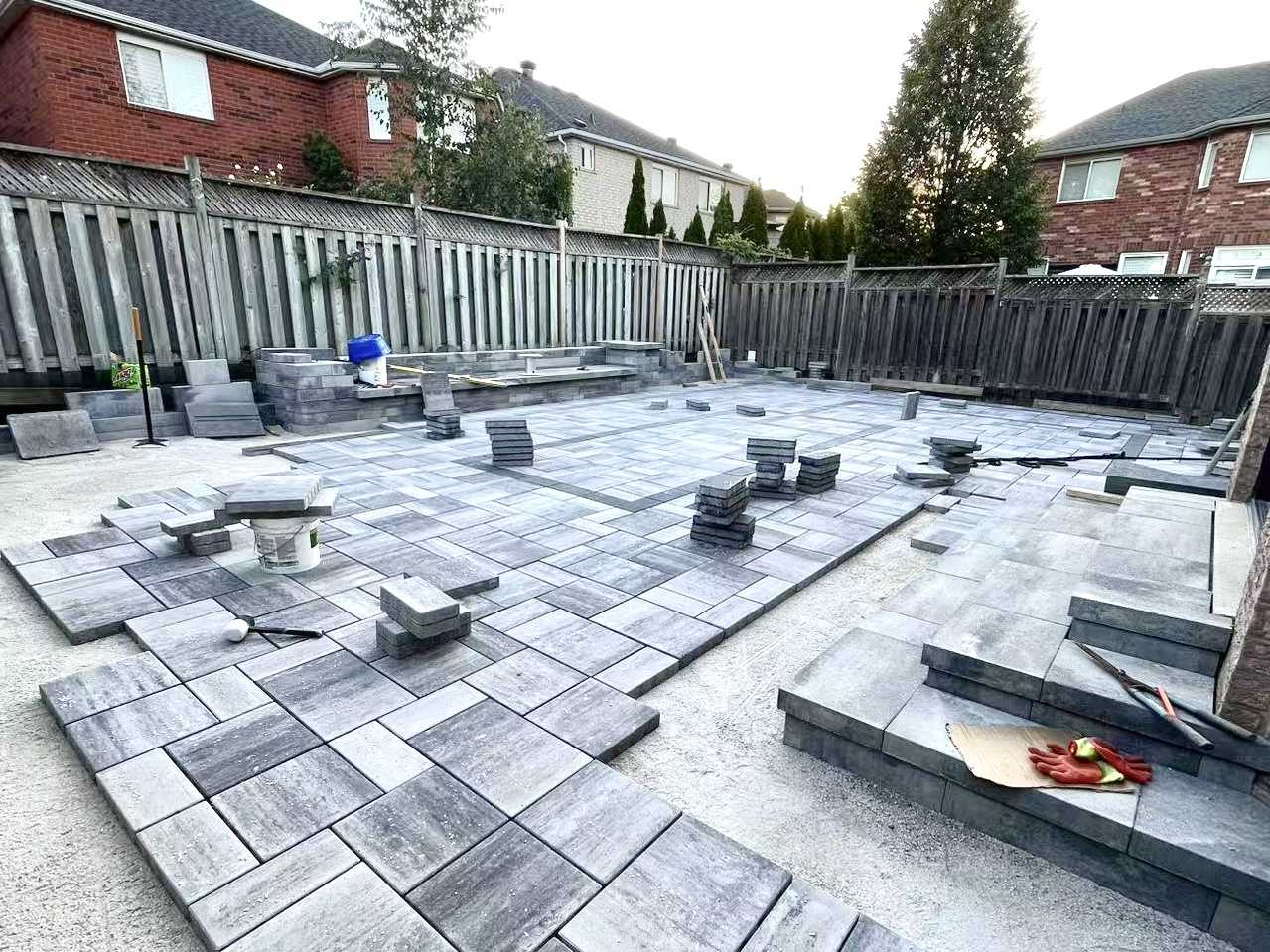
Decks and outdoor living
Deck and patio renovations should consider:
- Permit requirements.
- Guard and railing safety.
- Frost footings.
- Drainage.
- Privacy.
- Lighting.
- Material maintenance.
Popular deck materials include pressure-treated wood, cedar, composite and PVC. Wood feels natural but needs maintenance. Composite costs more but reduces upkeep.
10) Toronto neighbourhood differences: old houses, narrow lots, ravines and suburbs
House renovation in Toronto is very neighbourhood-specific.
The Annex, Cabbagetown, Rosedale and older central neighbourhoods
Typical homes:
- Victorian and Edwardian houses.
- Heritage character homes.
- Brick semis.
- Tall narrow layouts.
Common renovation needs:
- Preserving character.
- Updating kitchens and bathrooms.
- Repairing plaster.
- Structural review.
- Old wiring and plumbing replacement.
- Basement moisture control.
- Restoring stairs, trim and fireplaces.
Design approach:
- Mix historic details with modern systems.
- Use high-quality millwork.
- Preserve proportions.
- Avoid cheap finishes that fight the architecture.
Leslieville, Riverdale, Danforth and East York
Typical homes:
- Semis.
- Row houses.
- Bungalows.
- Narrow lots.
- Older detached homes.
Common renovation needs:
- Main-floor opening.
- Rear additions.
- Basement finishing.
- Kitchen expansion.
- Bathroom upgrades.
- Storage solutions.
Design approach:
- Smart space planning.
- Built-in storage.
- Bright kitchens.
- Durable family-friendly finishes.
- Good acoustic separation for semis.
High Park, Bloor West, Roncesvalles and Junction
Typical homes:
- Older brick houses.
- Family homes.
- Character properties.
- Some larger lots.
Common renovation needs:
- Whole-home renovation.
- Kitchen and family room additions.
- Basement suites.
- Exterior masonry repair.
- Window upgrades.
Design approach:
- Warm wood tones.
- Durable flooring.
- Family storage.
- Energy efficiency.
- Respect for original character.
North York, Willowdale and Bayview Village
Typical homes:
- Larger detached houses.
- Bungalows.
- Rebuilt homes.
- Split-level homes.
Common renovation needs:
- Full house modernization.
- Main-floor reconfiguration.
- Large kitchen renovation.
- Ensuite bathroom.
- Basement recreation rooms.
- Additions or rebuild planning.
Design approach:
- Larger open layouts.
- Bigger kitchens and islands.
- Modern stairs.
- Larger windows.
- Better insulation and HVAC.
Scarborough
Typical homes:
- Bungalows.
- Backsplit and sidesplit homes.
- Detached houses.
- Larger lots in some areas.
Common renovation needs:
- Basement apartments.
- Main-floor updates.
- Kitchen and bathroom renovation.
- Exterior improvements.
- Multi-generational living layouts.
Design approach:
- Practical layouts.
- Durable materials.
- Separate basement entrances where feasible.
- Cost-effective upgrades with long-term value.
Etobicoke, Mimico and The Kingsway
Typical homes:
- Detached homes.
- Bungalows.
- Lakeside-area properties.
- Character houses.
- Larger family homes.
Common renovation needs:
- Full house renovation.
- Exterior upgrades.
- Basement finishing.
- Additions.
- Kitchen expansion.
- Window and door replacement.
Design approach:
- Curb appeal matters.
- Better exterior detailing.
- Moisture management near lower areas.
- Family-focused layouts.
Ravine lots and sloped sites
Ravine or sloped properties need extra attention:
- Tree protection.
- Drainage.
- Erosion control.
- Foundation conditions.
- Access limitations.
- Conservation or municipal restrictions where applicable.
Do not plan a ravine-lot renovation without early professional review.
11) House renovation materials: what to choose and where to spend
Material choices affect cost, maintenance and resale value. The best material is not always the most expensive one. It is the one that fits the room, use and long-term plan.
Flooring
Engineered hardwood
Best for:
- Main floors.
- Bedrooms.
- Living rooms.
- Dining rooms.
Pros:
- Real wood surface.
- More stable than solid hardwood.
- Premium feel.
Watch-outs:
- Not ideal for wet basements.
- Quality varies.
Luxury vinyl plank
Best for:
- Basements.
- Rental suites.
- Mudrooms.
- Budget-friendly renovations.
Pros:
- Water-resistant.
- Durable.
- Cost-effective.
- Good for families and pets.
Watch-outs:
- Subfloor must be prepared.
- Cheap products look less realistic.
Porcelain tile
Best for:
- Bathrooms.
- Laundry rooms.
- Mudrooms.
- Entryways.
Pros:
- Water-resistant.
- Durable.
- Many styles.
Watch-outs:
- Cold underfoot unless heated.
- Installation quality matters.
Carpet
Best for:
- Bedrooms.
- Basement media rooms.
- Stairs where softness is desired.
Pros:
- Warm.
- Sound-absorbing.
- Comfortable.
Watch-outs:
- Stains and allergens.
- Not ideal for moisture-prone basements.
Cabinetry
Spend more on:
- Strong cabinet boxes.
- Good hinges and slides.
- Drawer storage.
- Pantry systems.
- Moisture-resistant bathroom vanities.
- Custom solutions in narrow Toronto homes.
Save where appropriate:
- Simple slab doors.
- Standard cabinet sizes.
- Laminate interiors.
- Open shelves in low-impact areas.
Tile
Use tile strategically:
- Porcelain for shower walls and floors.
- Ceramic for decorative walls.
- Mosaic for shower floors where grip matters.
- Large-format tile for modern bathrooms.
- Handmade-look tile for character homes.
Paint and wall finishes
Use:
- Washable paint in hallways and kids’ areas.
- Moisture-resistant bathroom paint.
- Low-VOC paint for better indoor air quality.
- Feature wall treatments sparingly.
- Wall protection in mudrooms and basement stairs.
Exterior materials
Consider:
- Brick repair before cosmetic covering.
- Fiber cement siding for durability.
- Wood accents for warmth.
- Composite decking for low maintenance.
- Aluminum or steel railings for durability.
- Quality flashing and caulking for water management.
12) Energy efficiency, comfort and long-term maintenance
A renovation is the best time to improve comfort because walls, floors and ceilings may already be open.
Energy and comfort upgrades may include:
- Attic insulation.
- Wall insulation where accessible.
- Air sealing.
- New windows and doors.
- Heat pump or HVAC upgrade.
- Smart thermostat.
- LED lighting.
- Induction cooking.
- Better bathroom fans.
- Improved basement insulation.
- Drain water heat recovery where suitable.
- Exterior shading.
For federal energy efficiency guidance and possible program updates, review Natural Resources Canada: Natural Resources Canada - Home Energy Efficiency.
Comfort is not only about temperature
A comfortable house also needs:
- Quiet bedrooms.
- Good ventilation.
- Balanced humidity.
- No cold floors.
- No drafts.
- Good natural light.
- Functional storage.
- Safe stairs.
- Proper exterior drainage.
Maintenance planning
Every renovation should end with a maintenance file:
- Paint colours.
- Tile names.
- Flooring model.
- Appliance manuals.
- Warranty documents.
- Plumbing shutoff locations.
- Electrical panel labels.
- Contractor contacts.
- Before/after photos.
- Permit records.
This protects future repairs and resale value.
13) How to choose a house renovation contractor Toronto homeowners can trust
The right contractor depends on your project type.
A contractor who is excellent at bathroom renovation Toronto may not be the best choice for underpinning. A contractor who builds additions may be overkill for a small powder room.
Match contractor to scope
Look for experience in:
- Full house renovation.
- Kitchen renovation Toronto.
- Bathroom renovation Toronto.
- Basement renovation.
- Basement secondary suites.
- Additions.
- Exterior renovation.
- Older Toronto homes.
- Semi-detached homes.
- Condo-townhouse approvals if relevant.
Ask the right questions
- Have you completed similar Toronto house renovation projects?
- Can you show photos from projects like mine?
- Do you handle permits or coordinate designers?
- What work is done by your own crew vs. subcontractors?
- How do you protect the home during construction?
- How do you handle change orders?
- What is the payment schedule?
- What is excluded from the quote?
- How do you communicate progress?
- What warranty do you provide?
Check documents
Ask for:
- Written quote.
- Scope of work.
- Insurance confirmation.
- WSIB status where applicable.
- Trade licenses where required.
- References.
- Payment schedule.
- Warranty terms.
- Permit responsibility.
Ontario provides homeowner guidance on renovation rights and contracts, including cancellation rights for certain in-home contracts: Ontario - Your Rights When Starting Home Renovations or Repairs.
Compare scope, not just price
A lower quote may exclude:
- Permits.
- Engineering.
- Disposal.
- Painting.
- Fixtures.
- Waterproofing.
- Electrical upgrades.
- Plumbing changes.
- Drywall repair.
- Flooring preparation.
- Final cleaning.
When comparing contractors, ask each one to price the same scope. Otherwise, you are comparing different projects.
14) 14 step house renovation checklist
Use this checklist to plan a smoother 2026 Toronto house renovation.
-
Define the goal
- More space, better layout, rental income, resale, comfort, energy efficiency or repair.
-
Separate must-haves from nice-to-haves
- Must-have: safe wiring.
- Nice-to-have: luxury stone feature wall.
-
Document existing conditions
- Photos.
- Measurements.
- Problems.
- Moisture signs.
- Electrical panel.
- Plumbing locations.
-
Confirm permit needs
- Review Toronto Building guidance.
- Ask whether engineering is required.
- Do not start structural work without proper review.
-
Create a whole-home plan
- Even if you renovate in phases, know the long-term direction.
-
Set a realistic budget range
- Include contingency.
- Include design, permits and taxes.
- Include temporary housing if needed.
-
Choose the right contractor type
- Bathroom specialist.
- Kitchen renovation contractor.
- Full house renovation contractor.
- Addition builder.
- Basement specialist.
-
Finalize layout before finishes
- Layout controls plumbing, electrical, cabinets and cost.
-
Select key materials early
- Cabinets.
- Flooring.
- Tile.
- Fixtures.
- Appliances.
- Windows and doors.
-
Plan hidden systems
- Electrical.
- Plumbing.
- HVAC.
- Insulation.
- Waterproofing.
- Protect the home
- Dust barriers.
- Floor protection.
- Waste removal.
- Site safety.
- Neighbour communication.
- Track decisions in writing
- Change orders.
- Selections.
- Allowances.
- Schedule changes.
- Do a detailed walk-through
- Test plumbing.
- Test electrical.
- Check cabinets.
- Check tile.
- Review paint.
- Create punch list.
- Keep a renovation record
- Permits.
- Warranties.
- Material names.
- Photos.
- Contractor contacts.

FAQ
Q1. Do I need a permit for a Toronto house renovation?
It depends on the scope. Cosmetic updates may not require a permit, but structural changes, additions, basement suites, underpinning, major plumbing or HVAC changes, new openings and life-safety work often require permits. Always confirm before starting.
Q2. What is the most important part of a full house renovation?
The most important part is planning the hidden systems before choosing finishes. Electrical, plumbing, HVAC, insulation, structure and moisture control determine whether the renovation lasts.
Q3. Is kitchen renovation Toronto more expensive in older homes?
Often yes. Older homes may need electrical upgrades, plumbing changes, floor levelling, structural work or custom cabinets for uneven walls. The visible kitchen is only part of the cost.
Q4. What is the best flooring for a Toronto basement renovation?
Luxury vinyl plank, tile and other moisture-resistant flooring are common choices. Avoid materials that fail easily in damp conditions unless the basement is proven dry and properly prepared.
Q5. Can I live in my house during renovation?
For small renovations, yes. For full house renovation, major structural work, whole-home electrical/plumbing replacement or heavy demolition, temporary relocation is often safer and more efficient.
Q6. How do I avoid renovation budget overruns?
Create a detailed scope, confirm permit needs, finalize layout early, choose materials before construction, include contingency and require written change orders. Most overruns come from unclear scope, hidden conditions and late decisions.
Q7. What should I ask a house renovation contractor Toronto homeowners recommend?
Ask about similar projects, permits, insurance, subcontractors, schedule, exclusions, payment milestones, warranty and how they handle unexpected issues. The best contractor is not always the cheapest one; it is the one who understands your project type.
Q8. Should I renovate for resale or personal use?
If you plan to sell soon, focus on broad appeal: kitchen, bathrooms, flooring, paint, lighting and obvious repairs. If you plan to stay long-term, prioritize comfort, storage, energy efficiency and layout decisions that fit your family.
A Toronto house renovation can be one of the best investments in comfort and property value when it is planned properly. Whether you are updating a kitchen, rebuilding bathrooms, finishing a basement, restoring an older semi or planning a full house renovation, start with structure, systems, permits and a contractor who understands Toronto homes.